Keyboard gesture native QEMU checkpoint
Observed 2026-09-24 UTC from branch impl/keyboard-touch-gestures, source
9fea8e1f61ef4776856a37d567a17c166681be86. This is a 568×1232
headless Pixman Sway session under qemu-riscv64-static with IPC-injected
contacts, the real wvkbd-mobintl Wayland surface, and the synthetic live
card probe client. It is not a board, panel, or real-finger observation.
The exact narrow cross-build was nix build .#card-shell --max-jobs 1 --cores 4 --no-link --print-out-paths: package
/nix/store/pzjnkai9mpkv11zaxmrs96vyng6rw901-k230-card-shell, Sway
/nix/store/nkz1nrjk71pmlslsninjwj4xalgapmfx-sway-unwrapped-riscv64-unknown-linux-gnu-1.12/bin/sway.
The keyboard was the already-realized
/nix/store/n7p6qfbyw30yany09x8kr95j2ar1fh7b-wvkbd-riscv64-unknown-linux-gnu-0.20/bin/wvkbd-mobintl;
this does not assert the final image’s keyboard closure. The fixture client was
/nix/store/6nskh3ldk3ya7mwxbb258qszrxhw2i61-card-composition-probe-client-0.1/bin/card-composition-probe-client.
Run from the repository root with those exact executables:
python3 tests/test_keyboard_gestures.py
python3 tests/test_keyboard_gestures_runtime.py \
  --sway /nix/store/nkz1nrjk71pmlslsninjwj4xalgapmfx-sway-unwrapped-riscv64-unknown-linux-gnu-1.12/bin/sway \
  --client /nix/store/6nskh3ldk3ya7mwxbb258qszrxhw2i61-card-composition-probe-client-0.1/bin/card-composition-probe-client \
  --keyboard /nix/store/n7p6qfbyw30yany09x8kr95j2ar1fh7b-wvkbd-riscv64-unknown-linux-gnu-0.20/bin/wvkbd-mobintl \
  --output /tmp/k230-keyboard-qemu-popup-hit
python3 tests/test_keyboard_gestures_runtime.py \
  --sway /nix/store/nkz1nrjk71pmlslsninjwj4xalgapmfx-sway-unwrapped-riscv64-unknown-linux-gnu-1.12/bin/sway \
  --client /nix/store/6nskh3ldk3ya7mwxbb258qszrxhw2i61-card-composition-probe-client-0.1/bin/card-composition-probe-client \
  --keyboard /nix/store/n7p6qfbyw30yany09x8kr95j2ar1fh7b-wvkbd-riscv64-unknown-linux-gnu-0.20/bin/wvkbd-mobintl \
  --output /tmp/k230-keyboard-qemu-popup-hit-fail-helper --fail-hide
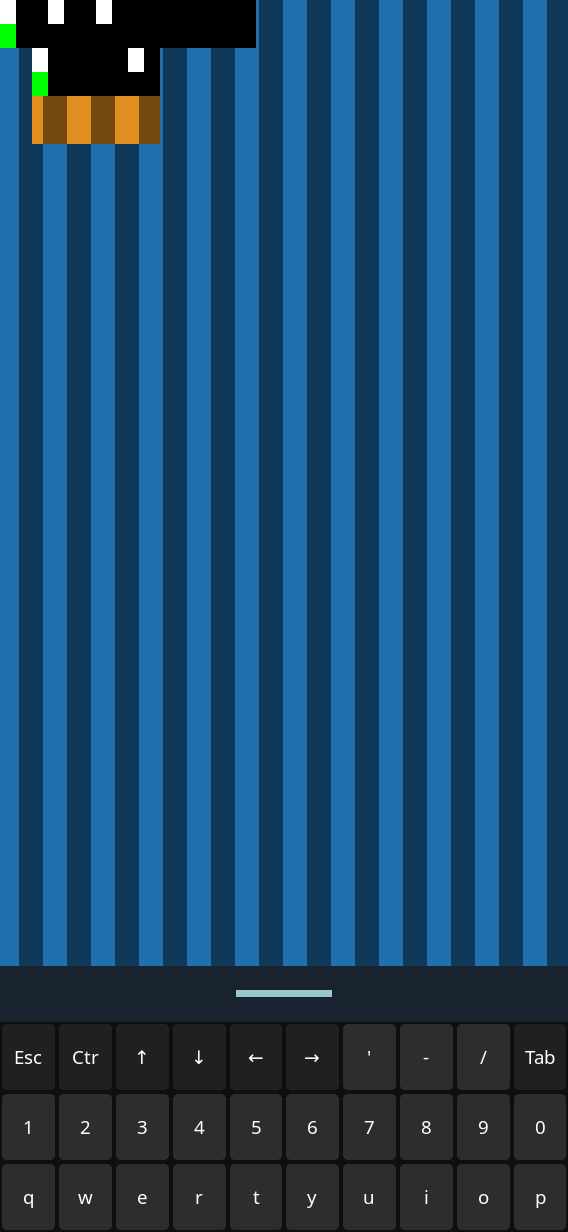
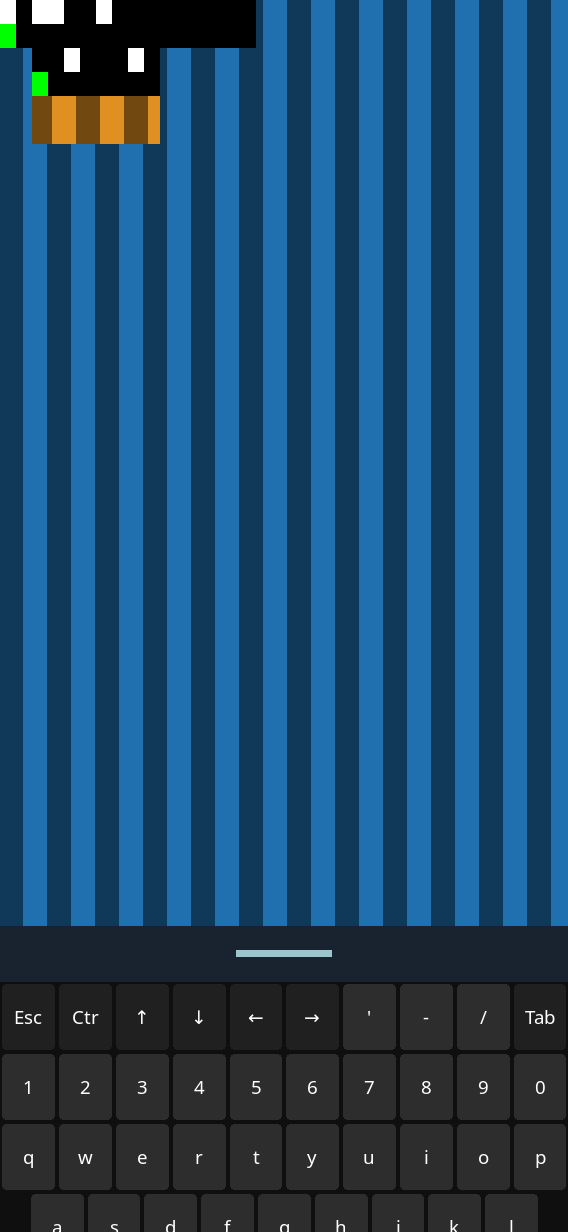
The policy suite passed 16 sanitizer cases. Both native runs passed. The first
kept two contacts down while a 100 px centroid rise moved the painted grip and
usable-area edge to y=1132; a pause held that position without drift; a 50 px
reverse moved it to y=1182. Releasing settled hidden at app height 1232. A
second chord settled shown at app height 756. A 210 px grip drag moved the edge
to y=966; touch cancellation restored the shown keyboard, then an ordinary
keyboard touch delivered one key press to the live client. A fresh 210 px grip
drag again reached y=966, then reversed 40 px to y=926 before continuing past
the midpoint and settling hidden.
Actions were show, hide, show, hide. The screenshot files here show the actual
composited pixels at those states. result.json retains the numeric checks.
The negative run made the trusted hide helper exit failure; after its bounded
recovery the keyboard returned to app height 756 and a normal key press still
arrived. fail-hide-result.json records that result. The earlier source
checkpoint reproduced a Sway scene-descriptor crash on wvkbd teardown; the
corrected compositor completed show→hide→show without that crash. A keyboard
popup elsewhere on the output initially blocked the grip because the old guard
was global; the final source checks popup overlap at the contact and retains
popup ownership if it actually covers the grip.
| State | Committed capture |
|---|---|
| Hidden keyboard and full-height live app | hidden.png |
| Two-finger held reveal | held.png |
| Two-finger reverse | reverse.png |
| Settled keyboard and usable area | shown.png |
| Grip held at 210 px travel | grip-held.png |
| Grip reversed by 40 px | grip-reverse.png |
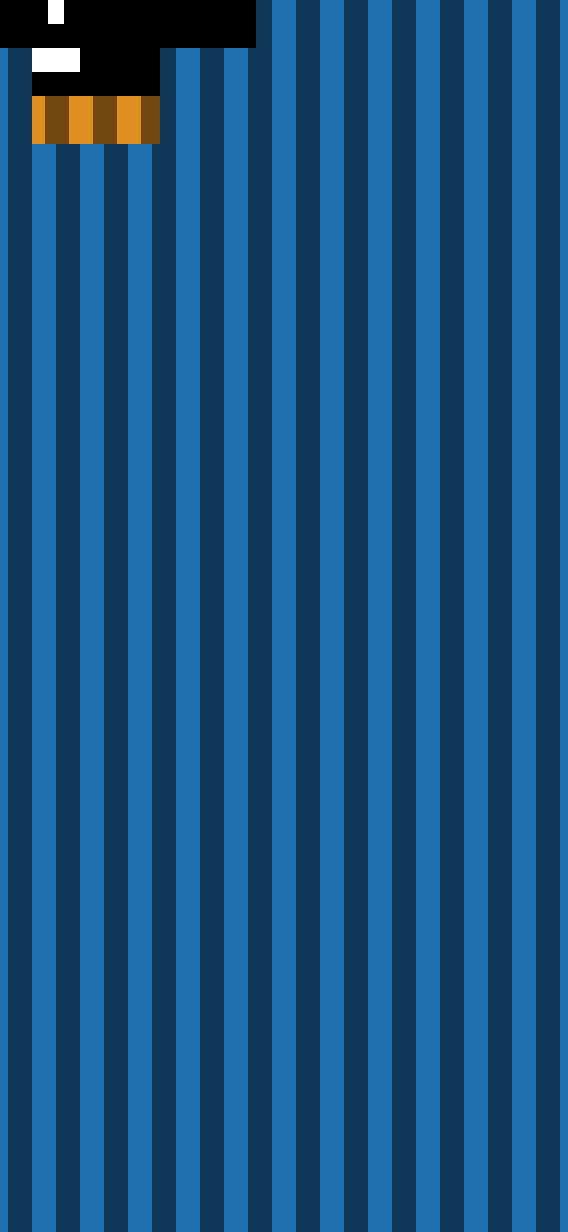
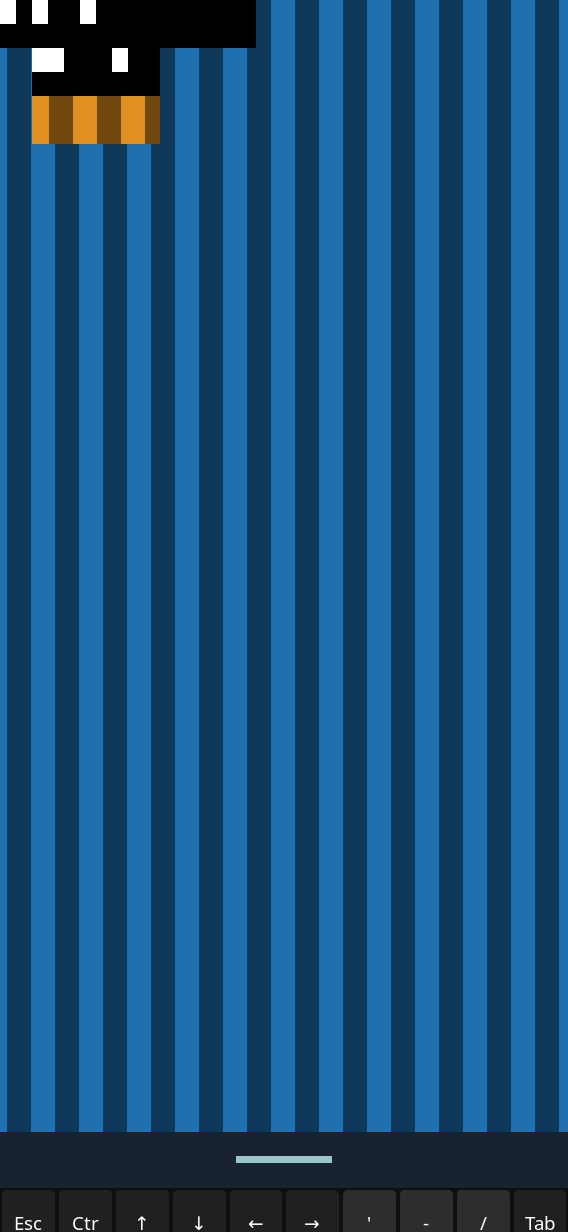
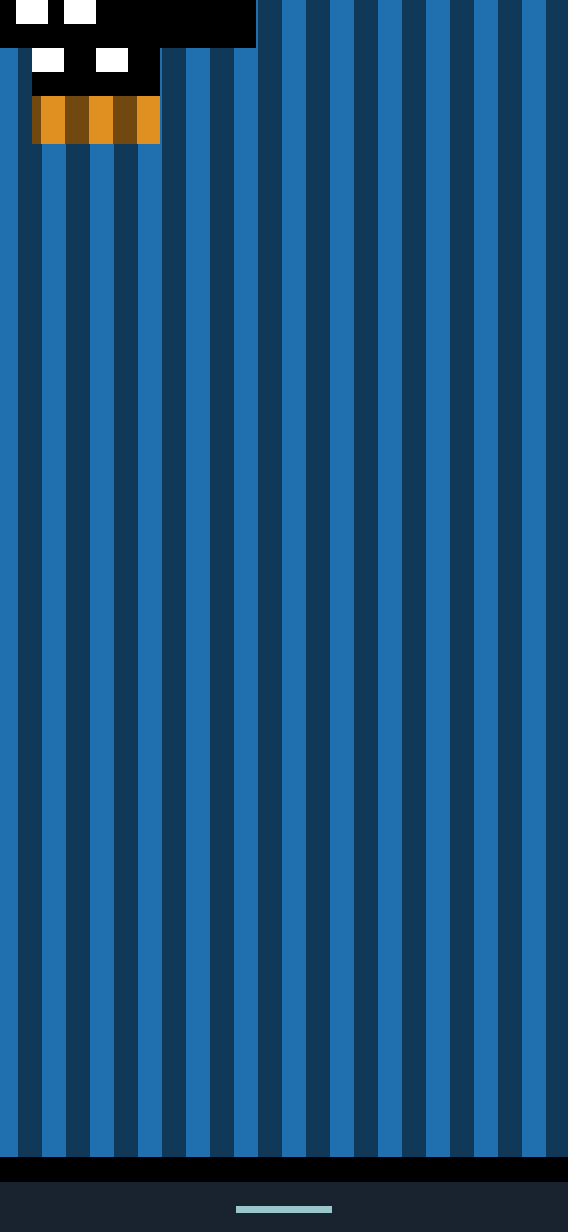
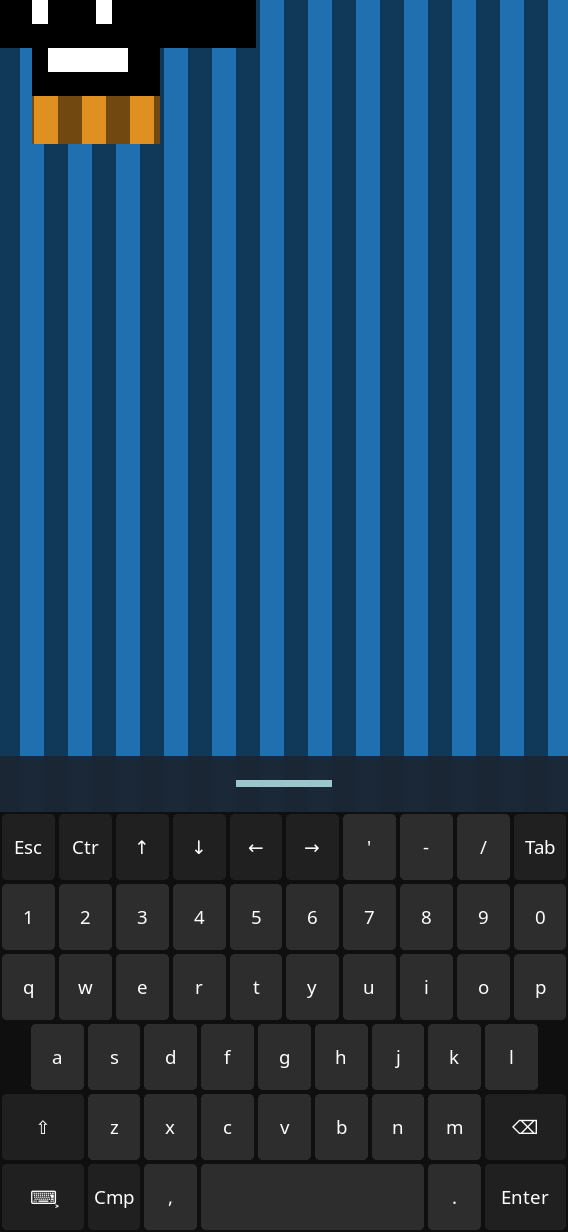
The machine-readable positive result and failed-helper recovery result retain numeric outcomes.
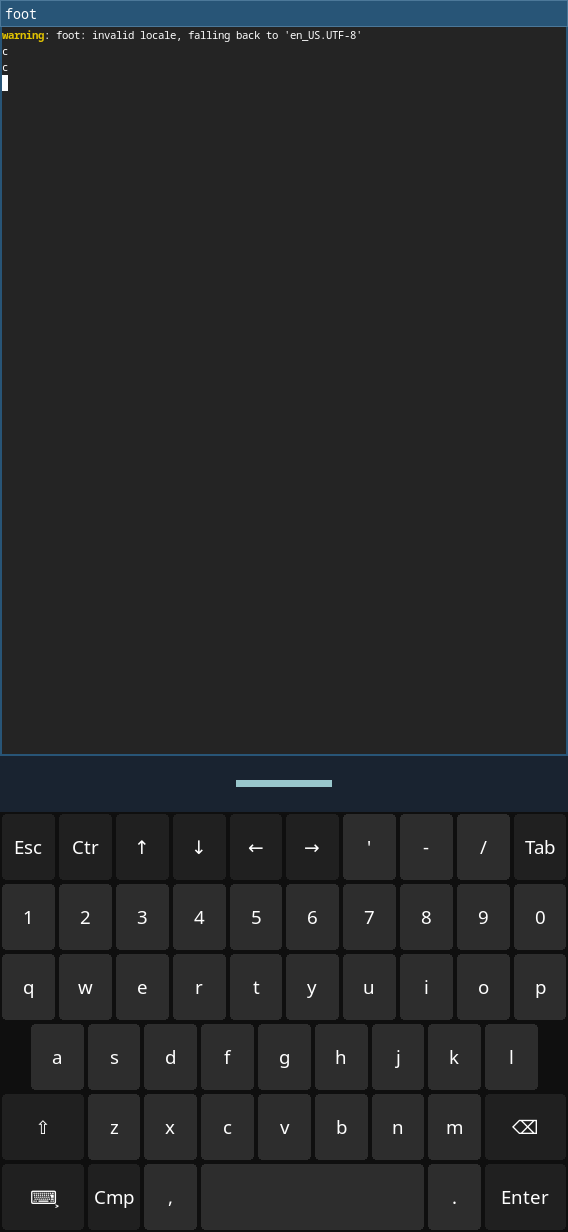
An optional repeat with --foot /nix/store/kv21hqgv043bmdfi5i1f791n9x7crwgg-foot-riscv64-unknown-linux-gnu-1.28.0/bin/foot
started the real RISC-V Foot terminal with a PTY-backed /usr/bin/tee child.
After explicit Foot focus, two wvkbd touches entered the public letter c
and Enter; the file contained exactly bytes 63 0a. The
Foot capture and text result show
the exact result. This closes native text ownership in task 2.3, without
asserting real-finger text entry.
With --output-reset, disabling the sole headless output caused wvkbd to exit
after logging Could not find config for output HEADLESS-1; the compositor
returned the app to height 1232. After an explicit restart of wvkbd (modeling
a supervisor), a fresh two-finger show, grip hide and ordinary key check
passed. Output-restart result retains the action
sequence. The installed coherent session currently starts wvkbd once from
Sway configuration, so automatic resurrection remains an open task 1.2 gate.
The later guarded installed preview records
the actual system identity and a keyboard shown on the board by USR2. That
separate observation does not turn these QEMU contacts into real fingers; it
also predates the supervised keyboard and high-contrast grip source.
Remaining gates for the new source are automatic restart in the installed
unit, real two-finger and grip motion on glass, panel/camera observation,
workload budgets, and user acceptance. These captures cannot establish touch
reachability or physical smoothness.